Confidential Executive Briefing
A focused 20–30 minute conversation to understand the pressure, leadership concerns, organizational context, and what is currently happening in the system.

A structured system-level diagnostic for leaders who need to understand where organizational conditions are constraining performance before choosing the intervention.
The Winning Pathway® Executive System Assessment examines leadership load, decision flow, accountability, communication, operating relationships, structural friction, and execution to identify where performance is actually breaking down.
Designed for executives and organizations operating in complex, high-stakes environments where performance must hold under pressure.
The briefing is the initial conversation—not the assessment. It helps determine whether deeper diagnosis is warranted.
The Winning Pathway® Executive System Assessment is a focused, system-level organizational diagnostic designed for leaders who need evidence about where performance is being constrained before committing to a broader intervention.
It examines the interaction between leadership load, decision flow, accountability, communication, operating relationships, structure, and execution to distinguish visible symptoms from the organizational conditions producing them.
Recurring performance problems should be diagnosed at the level where they are actually being produced.
The assessment is not automatically prescribed. Winning Pathway® first clarifies the organizational pressure and determines whether deeper system-level diagnosis is the appropriate next step.
A focused 20–30 minute conversation to understand the pressure, leadership concerns, organizational context, and what is currently happening in the system.
If deeper diagnosis appears warranted, Winning Pathway® recommends the assessment scope based on organizational size, structure, stakeholder requirements, complexity, and the condition under review.
Once scope is agreed, the formal diagnostic begins through structured executive input, stakeholder insight, system analysis, and identification of the organizational conditions producing friction.
The assessment gathers executive and stakeholder evidence to understand how the organization is operating in practice—not simply how the organization is designed to operate on paper.
Clarifies the visible pressure, organizational context, strategic concerns, and intended outcomes.
Surfaces leadership load, operating relationships, recurring friction, and differences in how the system is experienced.
Examines where authority, escalation, ownership, communication, and handoffs are slowing performance.
Distinguishes behavioral symptoms from structural conditions, organizational patterns, and operating-system constraints.
Provides leaders with a clear interpretation of the findings, priority conditions, and implications for performance.
Identifies where intervention may be warranted and what should be addressed first through Re+Calibration™ or another appropriate pathway.
A clearer view of where organizational performance is slowing, where pressure is accumulating, and which conditions require attention.
Greater clarity into the structural, leadership, communication, decision, and operating conditions beneath recurring symptoms.
A more disciplined understanding of which issues are behavioral, which are structural, and where the two are reinforcing one another.
A prioritized view of what should change first and whether Re+Calibration™, targeted intervention, or broader organizational work is appropriate.
A structured system-level organizational diagnostic.
An evidence-informed executive assessment.
A method for identifying root causes beneath recurring symptoms.
A starting point for targeted organizational intervention.
A personality assessment.
A generic consultation or leadership workshop.
A full transformation engagement on day one.
A surface-level advisory conversation.
Organizations often seek support after strong effort, previous strategies, advisory work, or structural changes have failed to produce durable performance improvement.
The issue is not always effort or capability. In many cases, the underlying organizational condition has not been fully understood.
The Executive System Assessment creates evidence before intervention, helping leaders understand where the system is generating pressure and what should change first.
One missed decision, strained relationship, or execution problem may be situational. Repeated patterns across leaders, functions, or operating cycles can indicate that the organization itself is producing the friction.
Leaders find themselves repeatedly resolving questions that should move elsewhere in the organization, consuming executive capacity and slowing execution.
Communication, accountability, alignment, or handoff problems improve temporarily but return because the operating condition beneath them has not changed.
Senior leaders are carrying coordination, escalation, clarification, and relationship work that the organizational system should be able to absorb more consistently.
Leaders appear aligned during discussion, but priorities, ownership, decisions, and execution diverge once work moves across functions or organizational levels.
Roles, decision rights, communication pathways, leadership relationships, or accountability no longer match the organization's current scale or operating reality.
New strategies, workshops, advisors, reorganizations, or operating initiatives have produced activity without resolving the recurring condition affecting performance.
When several of these conditions are present at the same time, the question often shifts from “What should we fix?” to “What is the system producing?”
Winning Pathway® is connected to ongoing work examining organizational misalignment, integration, leadership pressure, human systems, and performance under complexity.
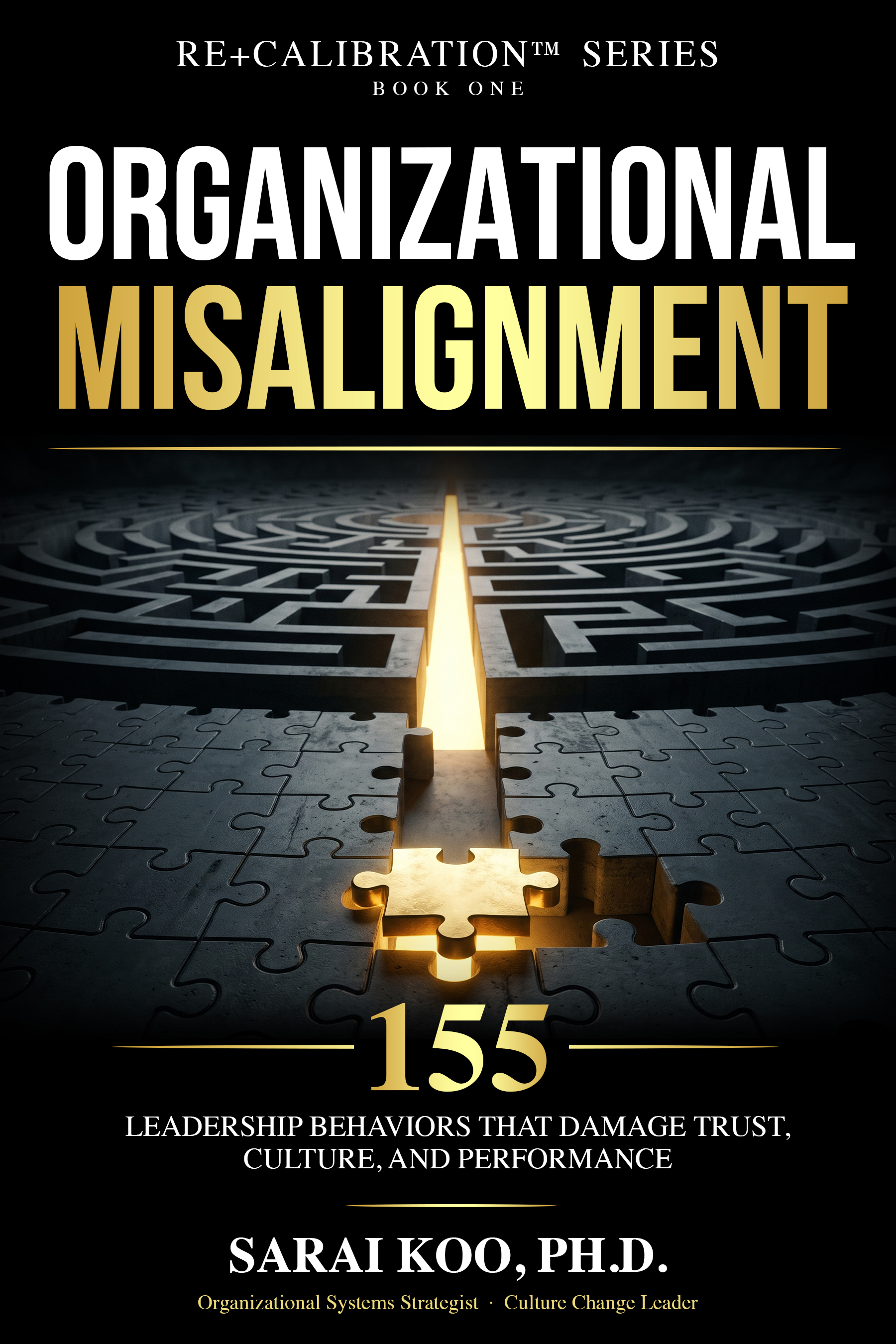
Why capable people, thoughtful strategy, and substantial effort can still produce recurring friction when human and organizational conditions no longer fit.
Explore Organizational Misalignment →
Executive perspectives on organizational complexity, integration, restructuring, leadership systems, decision architecture, and performance under pressure.
Subscribe for Executive Insights →
System-level clarity for leaders
operating in complexity


© 2026 Winning Pathway. All rights reserved.
Privacy Policy | Terms of Service